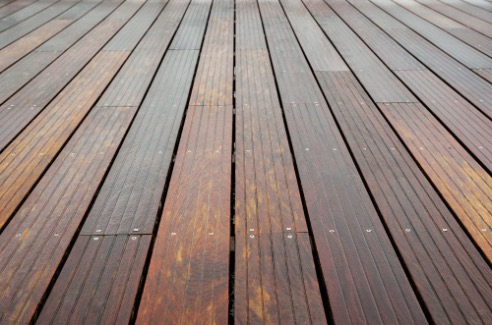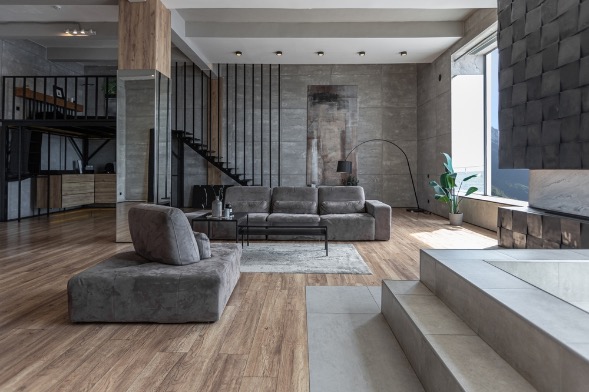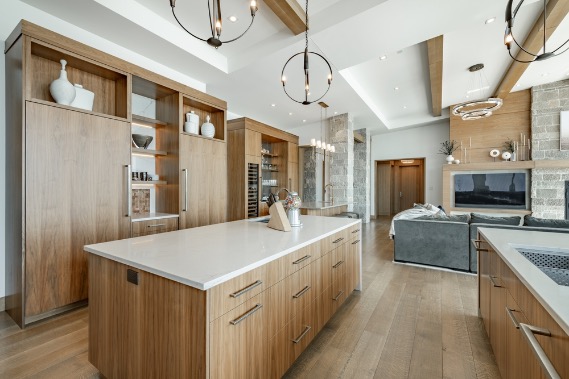
Can a floor completely transform a space? Is it just a surface we walk on or an element capable of defining the personality of a home? When we talk about architecture and interior design, wooden floors occupy a strategic place that goes far beyond aesthetics. They are structure, atmosphere and sensory experience at the same time.
In residential and contract projects, wooden flooring is not a secondary decision. It is a choice that determines the perception of space, the entry of light, visual continuity and the coherence of the whole. From our experience analysing trends and construction solutions, we can affirm that the floor is one of the elements with the greatest impact on the identity of a project.
In this context, specialised manufacturers such as Yvyra have taken decking and parquet to a higher level, combining technical innovation, rigorous selection of raw materials and a deep knowledge of the behaviour of wood.
Trends in Architecture and Interior Design with Wood
Architecture and interior design in Spain and Europe increasingly favour natural and sustainable materials. Certified wood, processed through responsible methods, responds to this demand.
Among the most notable trends we find:
- Natural and neutral tones that visually expand the space.
- Wide plank formats that create continuity.
- Matte and brushed finishes that enhance the grain.
- Herringbone or Hungarian point installations for more sophisticated projects.
Collections such as those available at Yvyra show how wood can adapt both to minimalist homes and to classic or contemporary spaces.
Millésime Collection: Character and Timeless Elegance
Among the most exclusive proposals, the Millésime collection stands out for its careful selection of oaks and handcrafted finishes. It is designed for projects where a high aesthetic level is sought without compromising technical quality.
Its surfaces present nuances and treatments that provide depth and personality. In full renovation projects or newly built homes, this type of flooring becomes the guiding thread of the design.
The result? Coherent spaces, where the flooring does not compete with the furniture, but enhances it.
1OAK Único: Naturalness with Its Own Identity
For those seeking authenticity and character, the 1OAK Único collection offers pieces with a marked natural expression. Knots, tone variations and visible textures reinforce the connection with the raw material.
This type of solution is ideal in interior design projects that embrace the “raw” trend or Nordic and Mediterranean-inspired environments. The wood is shown as it is, without unnecessary artifices.
In terms of residential architecture, these floors work especially well in open spaces, where visual continuity between living room, kitchen and dining room is essential.
Technical Aspects That Should Not Be Ignored in Architecture and Interior Design
In an architecture and interior design project, the choice of flooring must consider technical criteria in addition to aesthetic ones. Some key points are:
- Stability and multilayer structure: Engineered flooring offers greater resistance to changes in humidity.
- Compatibility with climate control systems: Essential in homes with underfloor heating.
- Protective finishes: Natural oils or high-resistance varnishes.
- Sustainability and certification: Guarantee of responsible origin.
A specialised manufacturer does not only sell a product; it advises according to the use of the space, the intensity of traffic and environmental conditions.
The Impact of Flooring on Spatial Perception
Did you know that a light floor can increase the feeling of spaciousness? Or that a long plank can make a room appear deeper? Flooring design directly influences how we perceive volume.
In small homes, soft and continuous tones provide brightness. In large spaces, darker finishes create intimacy and elegance.
The orientation of the installation is also decisive. Placing the planks in the direction of the entry of natural light reinforces visual continuity. These are apparently simple decisions, but they form part of expert knowledge in interior design.
Sustainability and Long-Term Value
Wood is a renewable material when it comes from responsibly managed forests. In addition, its durability allows a floor to be maintained for decades with proper care.
Compared to synthetic solutions with a shorter lifespan, parquet or quality decking represent a long-term investment. They can be sanded, renewed and adapted to new decorative styles without the need to replace them.
In an increasingly demanding real estate market, having natural wooden floors increases the perceived value of the home.
FAQs About Architecture and Interior Design
What is the difference between multilayer flooring and solid wood?
Multilayer flooring combines a noble wood layer with a structural base that improves stability. Solid wood is a single solid piece. Nowadays, multilayer flooring offers excellent performance with a lower risk of deformation.
Are wooden floors compatible with underfloor heating?
Yes, provided they are technical products prepared for it. It is essential to verify thermal conductivity and follow the manufacturer’s recommendations.
What maintenance does a wooden floor require?
It depends on the finish. Varnished floors require regular cleaning with specific products. Oiled floors may need periodic reapplication to maintain their appearance and protection.
Is wood suitable for commercial spaces?
Yes, especially in boutiques, hotels or professional offices where image and customer experience are priorities. Choosing the appropriate level of resistance is key.
In short, if we seek spaces with character, comfort and added value, wood continues to be one of the smartest and most versatile materials in today’s landscape. Contact Yvyra!