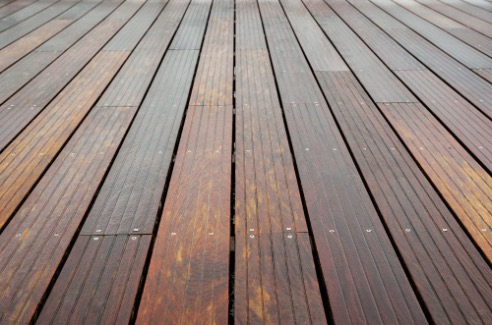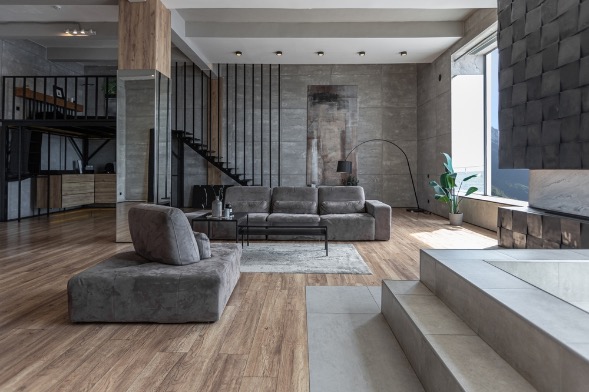
Has your wooden floor lost its shine over time? Do you want to protect it better against daily wear without giving up its natural appearance? Varnishing wooden floors is not just a decorative matter—it is a key decision to extend its lifespan and preserve all its qualities.
In this practical guide, you will find clear, rigorous, and useful information to understand the process, make informed decisions, and care for a noble material that deserves expert attention.
At Yvyra, as specialists in the manufacture of wooden flooring, we know that a good finish makes the difference between a floor that ages gracefully and one that loses its charm too soon.
Why is it important to varnish a wooden floor?
Wood is a living material. It changes with light, humidity, and daily use. Varnishing a wooden floor creates a protective layer that acts as a barrier against wear, stains, and scratches, while enhancing the grain and natural color. Proper varnishing:
- Protects against abrasion and dirt.
- Makes daily cleaning and maintenance easier.
- Provides aesthetic uniformity and a sense of renewal.
- Contributes to the durability of the flooring.
It is not just about “adding shine,” but about preserving a structural and aesthetic element of the home.
Types of varnish for wooden floors: Which one to choose?
Choosing the right varnish is one of the most important decisions in the process. In Spain, the most commonly used types are:
Water-based varnish
Highly valued for its low environmental impact and fast drying time. It barely yellows over time and is ideal for occupied interiors. It offers a natural, contemporary finish.
Solvent-based varnish
Traditional and very resistant. It gives the wood a warmer tone, although its odor and drying time are longer. It is increasingly less used in occupied homes.
Polyurethane varnish
Known for its high resistance to foot traffic and moisture. It is a common choice for high-use areas, such as living rooms or commercial spaces. The final choice depends on the type of wood, how the space is used, and the desired finish.
Preparing the floor before varnishing: The key step
Did you know that poor results are often due to inadequate preparation? Before varnishing a wooden floor, it is essential to:
- Sand properly: this removes old varnish, scratches, and unevenness. Sanding should be progressive, from coarse to fine grit.
- Remove dust: any residue will affect the final finish. Vacuuming and wiping with a slightly damp cloth are recommended.
- Check joints and imperfections: filling cracks or small fissures ensures a uniform result.
This process requires precision and experience, especially with solid wood floors or high-quality parquet.
How to varnish a wooden floor step by step
Although many homeowners consider doing it themselves, it is useful to understand the professional process:
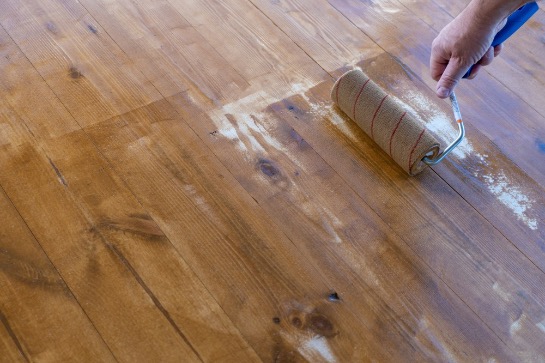
- Apply a first thin coat of varnish, following the direction of the grain.
- Respect the drying time indicated by the manufacturer.
- Lightly sand between coats to improve adhesion.
- Apply the second and third coats, depending on the desired level of protection.
The result should be even, with no roller marks or product buildup.
Frequently asked questions about varnishing wooden floors
How often does a wooden floor need to be varnished?
It depends on usage and the type of varnish, but it is usually recommended every 8–12 years in residential settings.
Can a floor be varnished without sanding?
Only in very specific cases and with maintenance varnishes. Generally, sanding is necessary to ensure a good result.
How long does the varnish take to dry?
Between 4 and 24 hours per coat, depending on the product. Normal use usually resumes after several days.
Does varnish change the color of the wood?
It can enhance or slightly modify it. That is why choosing the right finish (matte, satin, or glossy) is important.
Varnishing a wooden floor is an investment in comfort, aesthetics, and durability. When the process is carried out with expertise and the right materials, the result is noticeable both visually and in everyday use. Choosing a quality finish means respecting the essence of wood and ensuring it remains a central feature of the space for many years. Contact Yvyra!