Does your home still have a wooden floor with history, but time has left its mark? Is it possible to renew it without giving up its original character? Replacing an old wooden floor does not have to mean erasing its identity. With technical judgment, the right materials, and careful planning, it is possible to update it while respecting its aesthetic and functional essence.
At Yvyra, we approach this process from a professional and informative perspective, focusing on preserving the architectural and emotional value of the space.
Key considerations when replacing an old wooden floor
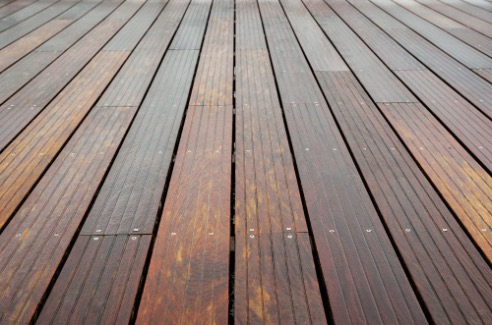
Before any intervention, it is important to analyze what makes an old wooden floor special. It is not just about age, but about factors such as the wood species, the board format, the original installation method, or the patina acquired over the years.
In many cases, we are dealing with solid oak, chestnut, or pine floors, installed using traditional systems that add personality and authenticity. For this reason, any decision should be based on respect for that value, avoiding standard solutions that homogenize the final result.
Restore or replace? The key decision
One of the first questions that arises is obvious: is it worth restoring, or is replacement the better option? It is not always possible to recover an old floor, especially if it has structural issues, moisture damage, or severe deformation.
When restoration is not viable, replacing the old wooden floor becomes the most sensible alternative. The key is to choose a new floor that dialogues with the original: natural woods, sober finishes, and formats that are consistent with the architecture of the space.
Choosing the right wood: Tradition and technology
Today, wooden flooring manufacturing has evolved significantly. Specialized companies like Yvyra combine artisanal techniques with advanced industrial processes to offer solutions that respect tradition without sacrificing modern stability and durability. When replacing an old floor, it is advisable to opt for:
- Noble woods with natural grain and warm tones.
- Board formats similar to the original ones.
- Oiled or matte finishes, very common in traditional Spanish homes.
This approach allows the new floor to maintain a timeless, coherent aesthetic.
Preserving the aesthetic essence during the change
One of the greatest fears when replacing a floor is “losing the soul” of the space. To avoid this, there are several key aspects to consider:
- Color and tone: avoid excessive contrasts with existing woodwork or furniture.
- Texture: overly uniform surfaces often break the sense of authenticity.
- Installation pattern: layouts such as herringbone, Hungarian point, or long straight planks can reinforce a classic character.
The goal is not to imitate the past, but to reinterpret it with respect.
Technical aspects not to be overlooked
Beyond aesthetics, success when replacing an old wooden floor also depends on technical considerations:
- Proper subfloor leveling.
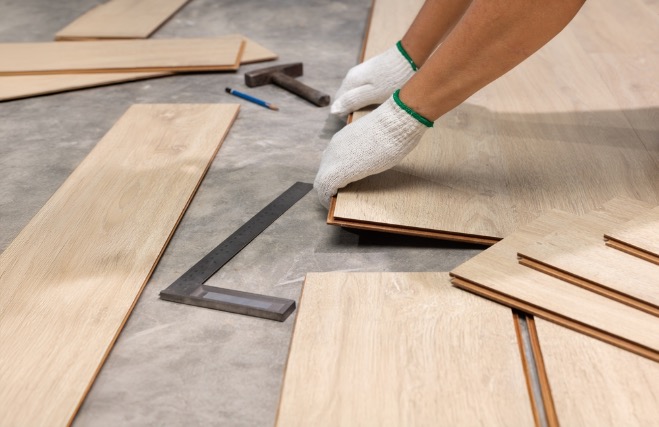
- Suitable installation systems (glued, floating, or nailed, depending on the case).
- Compatibility with underfloor heating if greater thermal comfort is desired.
Professional advice ensures a durable and functional result, preventing future problems such as creaking or excessive movement.
The importance of a specialized company
Not all renovation projects are the same. Replacing a floor with history requires knowledge, experience, and sensitivity. Working with manufacturers and technicians specialized in wooden flooring allows for informed decisions tailored to each home.
In addition, choosing national manufacturers facilitates access to carefully selected woods, controlled processes, and customized finishes—essential when aesthetic coherence is a priority.
Frequently asked questions about replacing an old wooden floor
Is it always necessary to remove the old floor completely?
Not necessarily. In some cases, the new flooring can be installed over the existing one, provided the subfloor is stable and level.
Which type of finish is most recommended?
Natural finishes, such as oils or matte varnishes, help maintain a warm and authentic appearance, very much in line with traditional homes.
Does replacing the floor significantly affect the renovation work?
It depends on the system chosen. Modern solutions allow for faster and cleaner interventions than those used decades ago.
Is it compatible with current interior design styles?
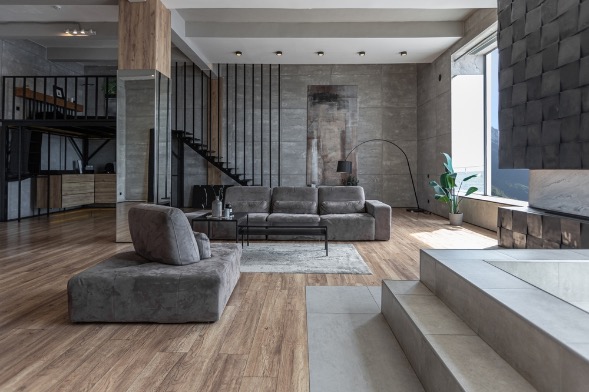
Yes. A well-chosen wooden floor works equally well in classic spaces and contemporary interiors, providing balance and warmth.
If you are considering this type of renovation, choosing natural wood solutions and experienced manufacturers will make the difference between a simple change and a true evolution of your home. Contact Yvyra!