
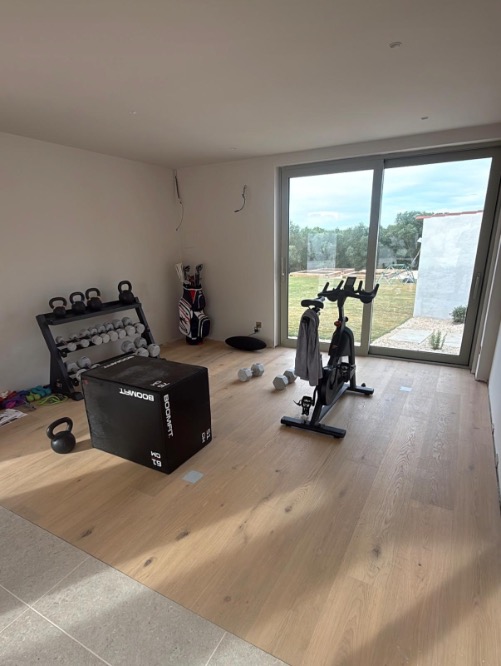
Is it possible to combine aesthetics, functionality, and durability in a single flooring solution? Can you achieve a balance between the warmth of wood and the strength of ceramic? Combined wood and ceramic flooring has become one of the most in-demand solutions in contemporary interior design.
This trend is not only driven by aesthetics but also by practicality. Each material offers specific advantages, and combining them allows for more versatile, durable, and visually appealing spaces. In modern homes—especially in renovation or bespoke design projects—this option is used to define areas, optimize space, and add personality.
In Yvyra, we explore how to properly integrate wood and ceramic flooring, its benefits, and some inspiring ideas to apply in your home.
Why choose combined wood and ceramic flooring?
Combining materials in flooring is not just a passing trend—it responds to real, everyday needs in the home.
On one hand, wood brings warmth, comfort, and elegance. It is a natural material that enhances the perception of space and fits perfectly in environments with neutral tones and a contemporary aesthetic. On the other hand, ceramic stands out for its resistance to moisture, durability, and easy maintenance.
When both materials are combined, the result is an ideal balance between design and functionality. This is especially useful in areas exposed to moisture or where there is a risk of damage from water, such as kitchens or entryways.
Additionally, combined wood and ceramic flooring allows you to play with visual contrasts and create unique spaces within the same room.
Most common applications in interior design
Combined wood and ceramic flooring is mainly used to define spaces without the need to build walls.
Open-plan kitchen and living room
One of the most popular applications is in open kitchens. The work area is finished with ceramic for its durability, while the living room is covered with wood to provide warmth.
This contrast creates a very attractive and functional visual transition.
Entrances and hallways
Entry areas are exposed to moisture, dirt, and wear. Here, ceramic protects the floor, while wood is used in the rest of the home.
This prevents damage caused by humidity and improves overall durability.
Bathrooms integrated into bedrooms
In luxury interior design projects, it is common to integrate bathrooms into bedrooms. In these cases, ceramic is used in wet areas, while wood provides continuity in the resting space.
Design ideas for combining wood and ceramic
The key to a successful result lies in how the transition between materials is executed. There are multiple ways to combine both elements.
Geometric transition
One of the most modern options is to create a geometric design where ceramic partially “invades” the wood. This effect adds dynamism and a contemporary touch.
Clean, straight lines
For a more minimalist style, a straight transition between both materials can be chosen. It is an elegant solution that fits perfectly in sober, refined projects.
Use of decorative patterns
Ceramic allows the incorporation of hydraulic patterns or decorative designs that contrast with the uniformity of wood. This adds character without overwhelming the space.
The importance of choosing high-quality materials
For combined wood and ceramic flooring to work properly, it is essential to invest in high-quality materials.
In the case of wood, it is important to choose flooring that offers stability, durability, and good performance against environmental changes. Yvyra’s proposals, available in its collections, are designed for demanding projects where design and technical performance must go hand in hand.
Collections such as Millesime, with an elegant and timeless approach, or 10AK Único, designed for spaces with strong personality, allow wood to be integrated into projects where aesthetics are key.
In addition, Yvyra offers different types of flooring adapted to various lifestyles and needs, making it easier to combine with ceramic materials in contemporary interior design projects.
Common mistakes when combining wood and ceramic
Although the result can be spectacular, it is important to avoid certain mistakes. One of the most common is not considering the level of both materials. Poor installation can lead to uncomfortable or unattractive uneven surfaces.
It is also common to choose materials that do not harmonize with each other. To avoid this, it is advisable to work with a palette of neutral tones that facilitates visual integration. Finally, not considering the use of each area can lead to long-term issues, such as surfaces damaged by water or premature wear.
Keys to a functional and aesthetic result
Combined wood and ceramic flooring represents a smart solution in modern interior design. It not only allows spaces to be differentiated elegantly but also adds functionality and durability in key areas of the home.
The key lies in proper planning, selecting high-quality materials, and understanding the real use of each space. Choosing wood for comfort areas and ceramic for more demanding zones ensures a balance between aesthetics and resistance.
If well-designed collections such as those from Yvyra are incorporated, the final result can be elevated, creating spaces that combine warmth, design, and long-term performance. Contact us!
Frequently asked questions about combined wood and ceramic flooring
Are combined wood and ceramic floors recommended for homes?
Yes, combined wood and ceramic flooring is highly recommended in modern homes, especially when aiming to combine aesthetics and functionality. This combination allows you to benefit from the warmth of wood in living areas and the durability of ceramic in high-traffic or moisture-prone spaces. It is also ideal for open-plan layouts, as it helps define areas without the need for walls. When properly executed, these floors provide visual continuity, personality, and enhanced durability.
How can you prevent wood from being damaged by moisture?
To prevent wood from being damaged by moisture, it is essential to carefully select where it is installed and choose flooring with good moisture resistance. Professional installation is also important, including protective barriers if necessary. Maintaining good ventilation and quickly cleaning up any water spills helps prevent issues. Additionally, combining wood with ceramic in more exposed areas reduces the risk of deterioration and extends the floor’s lifespan.
What design style works best with these floors?
Combined wood and ceramic flooring works particularly well in contemporary, minimalist, and luxury interior design projects. It also fits perfectly in Nordic or Mediterranean environments, where natural materials and neutral tones dominate. The key is achieving aesthetic coherence between materials, colors, and furniture. When combined correctly, these floors bring balance, sophistication, and a clear visual identity to any space.
Is it difficult to install combined flooring?
Installing combined wood and ceramic flooring requires precision and experience, so it is advisable to rely on specialized professionals. It is essential that both materials are perfectly leveled and that the transition between them is clean and well executed. Technical aspects such as wood expansion and ceramic joints must also be considered. Proper installation ensures not only a good aesthetic result but also long-term durability and performance.
