
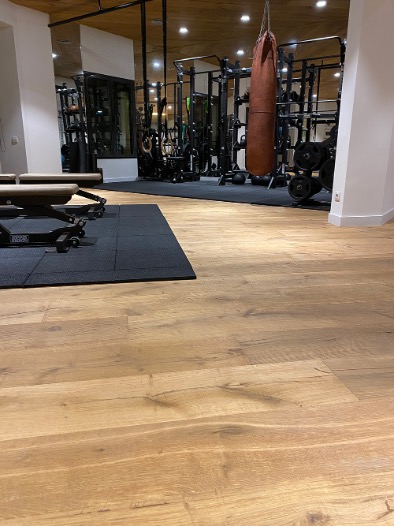
Choose wood flooring for a home does not depend only on the tone, format or decorative style. Each room has different needs: a living room with heavy foot traffic is not used in the same way as a bedroom designed for rest, an open-plan kitchen or a hallway used every day. That is why, before choosing parquet, wooden flooring or multilayer flooring, it is important to analyse the real use of each space.
Wood brings warmth, visual continuity and a natural feeling that is difficult to achieve with other floor coverings. However, for the result to be durable and functional, it is important to choose the right type of finish, resistance, plank format and colour according to the room where it will be installed.
Yvyra, a manufacturer of wooden flooring since 1977, develops collections designed to combine design, technique and authenticity. Its proposals make it possible to adapt natural wood to family homes, contemporary interiors, high-end decoration projects and spaces where aesthetics must coexist with everyday use.
What should you consider before choose wood flooring?
Before deciding which wooden floor to install, the first step is to observe how each space is used. A high-traffic area needs resistance to wear. A bedroom can prioritise comfort and visual softness. An open-plan kitchen requires stability and easy maintenance. And a living room must find the right balance between aesthetics, durability and a welcoming feel.
Natural light also plays a role. In small rooms or spaces with little light, lighter tones help visually enlarge the space. In larger rooms, more intense, smoked or aged finishes can add depth and character without overwhelming the atmosphere.
Another key aspect is the finish. Matt or invisible varnishes offer a very natural appearance and are practical for everyday use. UV oils maintain the warm feel of the wood and help protect the surface. In projects with a stronger decorative intention, brushed, aged or textured finishes can turn the floor into a standout feature.
Wooden flooring for the living room: Resistance and design
The living room is usually one of the most important rooms in the home. It is a space for gathering, relaxing, moving through and living together. That is why wooden flooring should be resistant, easy to maintain and, at the same time, capable of adding personality to the overall design.
In family living rooms or homes with a lot of daily activity, it is advisable to choose medium tones, matt finishes and surfaces that better conceal small marks or scratches. Woods with a light texture or brushed finish can be very useful because they add naturalness and help make everyday wear less visible.
If the living room is part of an open-plan space with a dining area or kitchen, it is advisable to choose a stable floor, with good surface protection and an aesthetic that creates continuity between the different areas. In these types of projects, wide planks and natural tones work especially well, as they create a sense of spaciousness and visual order.
Collections such as 1OAK Único make it possible to create elegant and versatile interiors, with natural finishes that adapt to both contemporary living rooms and more classic-style homes. Models in soft or medium tones help build a balanced decorative base without taking attention away from the furniture.
Wooden flooring for bedrooms: Warmth and comfort
In bedrooms, wooden flooring should convey calm. It is a room associated with rest, so the choice of flooring should focus on comfort, warmth and visual harmony.
Light, natural or slightly toasted tones are a good option for creating relaxing environments. They help enhance natural light and combine easily with textiles, headboards, wardrobes and auxiliary furniture. Matt finishes are also especially recommended, as they provide a soft and less glossy appearance.
In main bedrooms, a more elegant and enveloping finish can be chosen. In children’s or teenagers’ rooms, however, it is advisable to prioritise resistance and ease of cleaning, as these are usually spaces with more movement, toys, movable furniture and intense daily use.
Models such as Brisa, Aire or Bora can work very well in bedrooms where the aim is to achieve a natural, serene and easy-to-integrate wood. The key is to choose a tone that supports rest and does not visually overwhelm the room.
Wooden flooring for open-plan kitchens
The kitchen is one of the rooms where the most doubts arise when choosing wood. Although it has traditionally been associated with ceramic materials, it is increasingly common to install wooden flooring in kitchens open to the living room or dining room, especially when aesthetic continuity is desired.
In these cases, the choice should be more technical. It is important to choose a stable floor, properly installed and with a finish prepared to withstand everyday use. Wood must coexist with temperature changes, ambient humidity, frequent cleaning and possible occasional splashes.
For open-plan kitchens, quality multilayer floors are an interesting alternative, as they combine a top layer of noble wood with a technical base that provides stability. They also allow the visual warmth of wood to be maintained without giving up the performance required for contemporary interiors.
Professional installation is essential. So is following the right maintenance guidelines: cleaning with specific products, avoiding excess water and protecting the most heavily used areas. With the right choice, wood can bring continuity, elegance and warmth to a kitchen integrated into the social area of the home.
Wooden flooring for hallways and passage areas
Hallways, corridors and entrances are areas of constant foot traffic. Although they are sometimes given less decorative attention, they are key spaces for the durability of the flooring, because they concentrate footsteps, rubbing and daily movement.
In these areas, it is advisable to choose resistant finishes and tones that conceal wear well. Medium colours are usually a balanced option, as they do not show dust as much as very dark floors or marks as much as some overly light tones.
Brushed textures, matt finishes and surfaces with a certain natural grain can help maintain a well-kept appearance for longer. In addition, if the hallway connects several rooms, the floor should provide visual continuity without creating unnecessary breaks.
In family homes, choosing the same wooden flooring for the living room, hallways and bedrooms can create a sense of spaciousness and coherence. In interior design projects, this continuity helps reinforce the aesthetic identity of the entire home.
Wooden flooring for bathrooms: When to consider other solutions
The bathroom is a more delicate room for natural wood due to direct humidity, steam and the risk of accumulated water. Although there are technical solutions and specific treatments, it is not always the most advisable option for every project.
If the aim is to maintain a warm aesthetic in the bathroom, it is important to study the type of product, ventilation, installation system and required maintenance very carefully. In main bathrooms with good ventilation and controlled use, a suitable wood solution may be considered. In children’s bathrooms or bathrooms with very intensive use, it may be preferable to choose other materials or reserve wood for less exposed areas.
When the objective is to maintain aesthetic continuity, the transition between the wooden flooring in the home and other floor coverings compatible with wet areas can be carefully designed. The important thing is not to make the decision based only on aesthetics, but also on functionality and durability.
Rooms with pets or children: Prioritising practicality
When there are children, pets or a lot of daily movement, the best wooden floor is one that combines beauty, stability and ease of maintenance. In these cases, it is not advisable to choose solely based on the most delicate finish or the most striking colour, but rather on how the floor will respond to real use.
Medium tones, visible grains and matt finishes are usually more forgiving. They help conceal small marks, dust or surface scratches. It is also advisable to choose resistant woods and protective treatments that make daily cleaning easier.
The Ynova collection can be an interesting option for lively homes, as it offers a versatile proposal designed for interiors where aesthetics must coexist with functionality. In family homes, the priority should be to achieve a beautiful floor that is also practical and durable.
High-end decoration interiors: The floor as a focal point
In some projects, the floor is not just a neutral base, but a main element of the interior design. This happens in exclusive homes, hotels, restaurants, offices or spaces where a more sophisticated atmosphere with personality is desired.
For these cases, handcrafted, smoked, aged or textured finishes can add great visual depth. Yvyra’s Millésime collection fits especially well in interiors where wood with character, manual treatments and a stronger presence is desired.
Models such as Priorat, Toro or Jerez make it possible to create warm, elegant and expressive environments. They are options designed for those looking for more than just a functional floor: a surface capable of defining the style of the space and adding its own identity.
How to choose the right floor colour for each room
The colour of the floor has a major influence on the perception of space. In small rooms, light tones help create spaciousness and brightness. They are ideal for bedrooms, urban flats, Nordic-style interiors or spaces with little natural light.
Medium tones are the most versatile. They work well in living rooms, hallways and family homes because they combine with different decorative styles and better conceal everyday use. They also provide warmth without darkening the atmosphere too much.
Dark, smoked or aged tones convey elegance and depth. They are perfect for spacious living rooms, high-end decoration projects or well-lit rooms. However, they require more careful decorative planning to prevent the space from feeling heavy.
A choice designed for living in every space
Choosing the best wooden flooring for each room means thinking about aesthetics, but also about routine, maintenance and lifestyle. The living room needs a balance between design and resistance. The bedroom calls for calm and comfort. The open-plan kitchen requires stability. And passage areas need practical and durable finishes.
With the right advice, wood can adapt to different lifestyles and become a long-term investment. Yvyra’s collections make it possible to find solutions for family homes, minimalist interiors, high-end decoration projects and spaces where the naturalness of wood makes all the difference.
If you are considering renewing your flooring, compare samples, analyse the light in each room and think about how each space will be used. This will help you choose a wooden floor that not only fits your home, but also your way of living in it.
FAQs on how to choose wood flooring by room
What is the best wooden flooring for the living room?
The best wooden flooring for the living room is one that combines resistance, stability and design. As it is an area for gathering and frequent foot traffic, it is advisable to choose protected finishes, medium or natural tones and easy-to-maintain surfaces. Wide planks can add visual spaciousness, while matt finishes offer an elegant and contemporary look. If the living room is connected to the kitchen or dining room, it is advisable to seek visual continuity and a technical solution suitable for intensive daily use.
Can wooden flooring be installed in the kitchen?
Yes, wooden flooring can be installed in kitchens, especially in open-plan kitchens, provided that a stable, high-quality and properly protected floor is chosen. It is important to avoid water accumulation, clean with suitable products and rely on professional installation. Multilayer floors are a common option because they offer stability and allow you to enjoy the warmth of wood in spaces connected to the living room or dining room.
What colour of wooden flooring is best for a bedroom?
Light, natural or medium tones usually work very well in bedrooms because they bring calm, brightness and a cosy feeling. Matt finishes help create a more relaxing and elegant atmosphere. If the room is small or has little light, a light floor can visually enlarge the space. In larger bedrooms, warmer tones or tones with greater depth can be considered, as long as they complement the overall decorative style.
What wooden flooring is most recommended for homes with children?
For homes with children, it is advisable to choose resistant, stable and easy-to-clean wooden flooring. Medium tones, brushed textures and matt finishes help conceal small marks or scratches caused by daily use. It is also advisable to choose protective treatments that better withstand frequent foot traffic. Rather than looking for a delicate floor, the important thing is to find a solution that maintains the natural beauty of wood and responds well to an active family life.
How long does a well-chosen wooden floor last?
A quality wooden floor can last for decades if it is chosen correctly, installed professionally and properly maintained. Its lifespan depends on the wood species, the thickness of the noble wood layer, the finish, the level of foot traffic and daily care. Using specific products, placing protectors on furniture and avoiding excess humidity helps keep it in good condition for longer. That is why a good wooden floor should be understood as an investment in comfort, aesthetics and durability.
