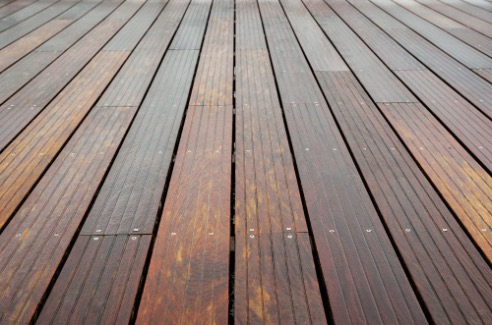
Have you ever come across a stains from wooden floors that seems impossible to remove? Are you worried about damaging the surface while trying to clean it? Keeping a wooden floor in perfect condition can become a challenge, especially when marks appear that don’t disappear with basic cleaning.
In this guide, I explain how to remove stains from wooden floors safely, effectively, and with full respect for the material, following professional standards and industry-recommended practices.
Tips for knowing how to remove stains from wooden floors
At Yvyra, a company specialized in high-quality wooden flooring, we know that proper cleaning is key to extending the lifespan of the floor and preserving its natural appearance. Below, you’ll find practical advice, reliable methods, and products that really work.
Identify the type of stain: the key step before acting
Before deciding which technique to use, it’s important to identify the most common types of stains found on wooden floors. Why? Because not all stains react the same way to water, cleaning products, or home remedies.
- Grease stains: usually appear in kitchens or dining areas.
- Dark moisture stains: caused by standing water or spills that weren’t wiped up in time.
- Rubber, paint, or adhesive residues: common in homes with children or during moves.
- Surface stains: caused by dirt or organic matter.
- Light scratches or marks: which can be mistaken for stains.
Each one requires a different approach. Let’s start with the safest methods and gradually move on to more specific solutions.
Initial cleaning: always start with a soft cloth
When dealing with any stain, the number one rule is to act immediately with a cloth. Use a soft cloth, a slightly damp cloth, or absorbent cloths to remove excess residue without excessive rubbing. The goal is to prevent dirt from penetrating the wood or its protective layer.
A safe first step is to use lukewarm water and a small amount of pH-neutral soap. Dampen the cloth, wring it out well—remember to always avoid excess water—and gently clean the area using circular motions. This method is often sufficient for recent or surface-level stains.
Grease stains: effective remedies without damaging the wood
Do you have an oily stain that won’t come out? Grease stains require a degreasing—but gentle—approach.
- Place absorbent cloths over the area to soak up excess oil.
- Prepare a mixture of lukewarm water and neutral soap.
- Gently rub with a cloth, without soaking the wood.
If the stain persists, you can use a small amount of baking soda: sprinkle a thin layer over the stain, let it sit for a few minutes, and remove it with a light cloth. Baking soda helps absorb grease without affecting the varnish.
Dark moisture stains: how to treat them step by step
Stains caused by liquids often darken the wood. To treat them:
- Dry the area thoroughly with a clean, dry cloth.
- Apply a mixture of equal parts white vinegar and water.
- Use a slightly damp cloth and make gentle circular movements.
If the stain remains visible, it may have penetrated the lower layer of the parquet. In these cases, light sanding and the application of oil or varnish may be necessary. Consulting a professional is advisable to avoid further damage.
Rubber marks, adhesive residue, or scuffs: solutions that work
Rubber marks from shoes, toys, or furniture can often be removed with a simple trick: a white school eraser. Gently rub it over the affected area, and the mark should disappear without damaging the finish.
For glue or adhesive residue, use a cloth slightly dampened with a wood-specific cleaning product or a few drops of alcohol, always applied in a controlled manner.
Professional tips to keep your floor looking flawless
In addition to knowing how to remove stains from wooden floors, it’s important to follow preventive habits:
- Wipe up spills immediately with a cloth.
- Place protective pads under furniture.
- Maintain moderate indoor humidity levels.
- Use rugs in high-traffic areas.
- Carry out periodic maintenance with recommended products.
Small habits help prevent stains before they appear and avoid unnecessary damage.
FAQs about removing stains from wooden floors
What should I do if the stain doesn’t disappear with basic methods?
If a stain persists, it may have penetrated the surface layer. In these cases, it’s best to consult an installer or technician specialized in wooden floors.
Can I use vinegar on any parquet floor?
Yes, as long as it is diluted in water and used sparingly. Undiluted vinegar can be too aggressive.
How can I prevent stains in the future?
Prevention is key: wipe up spills immediately, use suitable cleaning products, and protect the floor from scuffs.
Does baking soda damage wood?
No, as long as it is used in small amounts and removed thoroughly with a cloth.
And if you need expert advice or professional solutions, remember that at Yvyra you’ll find specialists in the care and installation of wooden floors. Contact us!