Have you ever wondered which flooring is best for a home, and why some houses immediately convey a sense of warmth while others feel colder or more impersonal? Can flooring really make a difference in everyday comfort? Choosing the right option is not just a matter of aesthetics—it influences durability, maintenance, and the way each space is experienced.
In this Yvyra guide, we analyze all types of flooring from a practical, clear perspective designed to help you make an informed, long-lasting decision.
Which flooring is best for a home: How to choose?
Flooring is one of the most used and visible surfaces in a home. It accompanies every step, affects acoustics, regulates thermal comfort, and defines the overall interior style. That’s why, when the question arises about which flooring is best for a home, it’s worth looking beyond trends and considering factors such as room usage, climate, durability, and material quality.
A good floor should be functional, resistant, and aligned with the lifestyle of the people living in the home. A house with children or pets is not the same as one used occasionally, nor is a coastal home comparable to one located inland.
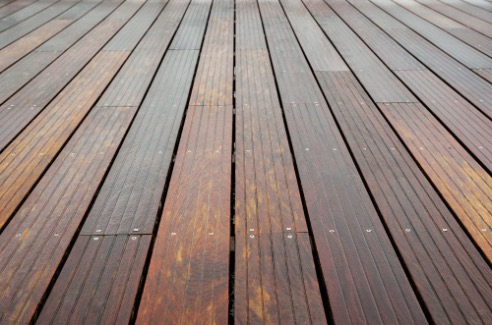
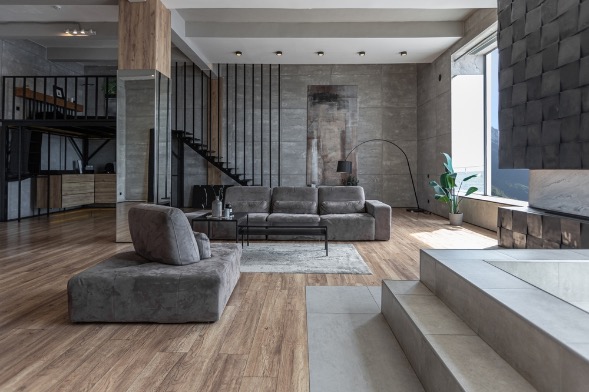
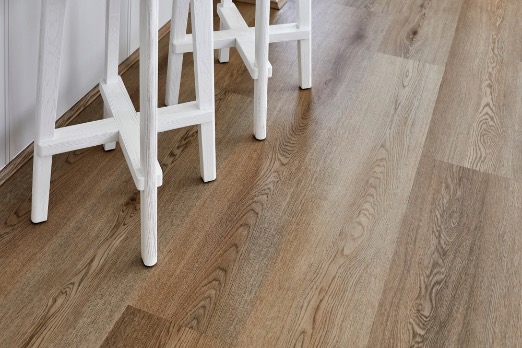
Wooden floors: A balance of design, warmth, and durability
Natural wood remains one of the most highly valued options for homes in Spain. Why? Because of its ability to combine aesthetics, comfort, and longevity. Wooden floors provide a welcoming feel that is difficult to match with other materials, while also improving thermal and acoustic insulation. Within this category, there are several solutions:
- Solid wood parquet: Made entirely from natural wood, it stands out for its durability and the possibility of being restored multiple times.
- Engineered or multilayer floors: Combine a top layer of noble wood with technical backing layers that add stability, making them ideal for homes with underfloor heating.
- Wooden planks: Widely used in residential projects thanks to their balance between resistance, aesthetics, and ease of maintenance.
Specialized companies such as Yvyra focus on manufacturing wooden floors to high quality standards, taking care of both design and the responsible sourcing of materials—an aspect increasingly valued by users. In this regard, the Ynova collection is a perfect choice, as it features digital printing with up to 30 m² without repetition, resulting in a highly realistic finish.
Other common types of flooring in homes
Although wood is a clear benchmark, there are other alternatives that may suit specific household needs:
- Ceramic or porcelain tiles: Very durable and easy to clean, recommended for kitchens and bathrooms. However, they tend to feel colder underfoot.
- Laminate flooring: Imitates the appearance of wood at a lower cost, though its durability and ability to be restored are limited.
- Vinyl flooring: Versatile and moisture-resistant, suitable for quick renovations, but with lower long-term aesthetic value.
- Microcement: Provides visual continuity and a contemporary style, although it requires proper installation to avoid cracking.
So, which flooring is best for a home? The answer depends on the balance between aesthetics, usage, and durability expectations.
Key factors when choosing the best flooring for a home
Before deciding, it’s worth considering these aspects:
- Use and foot traffic: High-traffic areas such as living rooms or hallways require floors that resist wear. Quality wood, properly treated, performs exceptionally well over time.
- Thermal and acoustic comfort: Wood stands out for its insulating properties, creating more comfortable spaces both in winter and summer.
- Maintenance: Looking for a floor that’s easy to clean and maintain? Modern natural wood finishes allow for simple upkeep without sacrificing elegance.
- Style and aesthetic coherence: The floor should integrate seamlessly with interior design—light tones for bright spaces, darker woods for sophisticated or rustic settings.
Why does wood remain a reference choice?
When carefully analyzing which flooring is best for a home, wood stands out for its long-term value. Not only does it age well, but it also gains character over time. In addition, it is a natural, renewable material aligned with more sustainable architecture.
Unlike other types of flooring, a wooden floor can be repaired, sanded, and updated without needing to be completely replaced, offering both economic and environmental advantages.
Frequently asked questions about residential flooring
Is wood suitable for all rooms?
Yes, as long as the right type of wood and finish are chosen. There are specific solutions for kitchens and even areas with some humidity.
Which flooring adds the most value to a home?
Natural wooden floors are often perceived as a premium feature, increasing both the aesthetic and market value of a property.
Is wood compatible with underfloor heating?
Engineered wooden floors are specifically designed to provide stability and good performance with underfloor heating systems.
What maintenance does a wooden floor require?
Regular cleaning and specific products are sufficient. Over time, it can also be restored, extending its lifespan.
Ultimately, choosing the right flooring is a decision you enjoy every day. Taking the time to consider which flooring is best for a home allows you to opt for solutions that are durable, comfortable, and aligned with your lifestyle. Wood, thanks to its balance of design, functionality, and sustainability, remains one of the smartest choices for those seeking quality without giving up the warmth of a true home. Contact Yvyra today!