
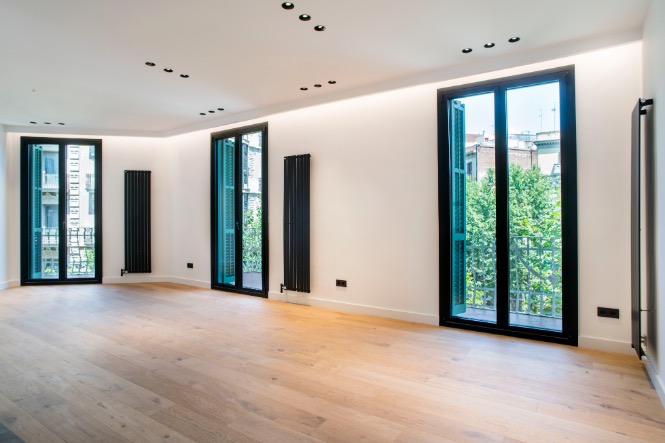
Choosing flooring for a home seems like a simple decision, but do all materials really work equally well in a living room, kitchen, or bedroom? Flooring influences the aesthetics, comfort, maintenance, and durability of each space. That’s why understanding each types of home flooring helps you make a more informed decision, balancing design, daily use, and budget.
Types of Home Flooring: Key Considerations
Today, there are many options: natural wood, laminate, porcelain tile, vinyl, natural stone, or microcement. Each has specific advantages as well as limitations. The key is to analyze what each room needs, how much moisture it will be exposed to, whether there will be high-traffic areas, what level of cleaning it requires, and what atmosphere you want to create. At Yvyra, we’ll tell you everything you need to know.
Natural Wood: Warmth, Elegance, and Long-Term Value
Natural wood remains one of the most sought-after choices for homes seeking warmth, comfort, and character. Its texture, grain, and feel provide a sensation that’s hard to replicate with synthetic materials. Furthermore, when it comes to a well-crafted wood floor, it becomes a durable and timeless option.
In spaces like living rooms and bedrooms, wood offers a pleasant feel underfoot and a cozy aesthetic. Collections like Yvyra’s Millésime allow you to create elegant interiors with striking finishes, such as Napa, Priorat, or Margaux. For projects with a more unique character, the 1OAK Único collection features oak designs like Terral or Galerna, designed for interiors with a distinct identity.
Laminate Flooring: A Practical and Affordable Option
Laminate flooring is commonly used in renovations due to its competitive price, ease of installation, and wide variety of finishes. It mimics wood, stone, or concrete, though it does not offer the same aesthetic depth or the possibility of restoration as hardwood flooring.
It is a practical option for bedrooms, offices, or rental properties, especially when quick installation is desired. However, it’s important to check their wear resistance rating, as not all models perform equally well in hallways, entryways, or high-traffic rooms.
Vinyl Flooring: Water Resistance and Easy Maintenance
Vinyl flooring has evolved significantly in recent years. Its main advantage is its water resistance, making it an attractive option for kitchens and bathrooms—areas where other materials may require more care. They are also easy to clean, pleasant to the touch, and well-suited for quick renovations.
This type of flooring works well in family homes or vacation homes where easy maintenance is a priority. However, although they mimic wood or stone, their appearance doesn’t always match the natural look of the real materials. Therefore, it’s important to consider whether you’re looking for a functional solution or a higher level of aesthetic quality.
Porcelain Tile: Durability and Versatility for High-Traffic Areas
Porcelain tile is one of the most durable materials for the home. It withstands temperature changes, humidity, impacts, and heavy use well. For this reason, it’s commonly found in kitchens, bathrooms, covered patios, and high-traffic areas.
It also comes in many decorative finishes: wood-effect, concrete, marble, or stone. Its main strength is durability, though it can feel colder than wood in living rooms or bedrooms. If comfort is a priority, it’s best to pair it with radiant heating or textiles that soften the atmosphere.
How to Choose the Right Type of Flooring for Each Room
For living rooms, bedrooms, and relaxation areas, natural wood is usually one of the most balanced options in terms of comfort, aesthetics, and warmth. For kitchens and bathrooms, it’s best to consider materials with greater resistance to moisture and water, such as porcelain tile or vinyl. In hallways, entryways, and high-traffic areas, the priority should be resistance to wear and tear.
You should also consider natural light, decorative style, budget, and maintenance. A light-colored floor can visually expand a room, while a darker finish adds depth and sophistication. The best choice isn’t always the most durable or the most economical, but rather the one that best suits the home’s actual use.
In homes where warmth, elegance, and authenticity are priorities, Yvyra’s collections offer wood flooring solutions designed for demanding projects. Because flooring isn’t just another detail—it’s the foundation upon which the experience of living in each room is built. Visit us and find your ideal floor!
FAQs About Types of Home Flooring
What is the best type of flooring for a home?
There isn’t a single “best” flooring option for all homes, because every room has different needs. For living rooms and bedrooms, natural wood is a highly valued option due to its warmth, comfort, and timeless aesthetic. For kitchens and bathrooms, materials with high water resistance—such as porcelain tile or certain vinyl options—tend to work best. In high-traffic areas, it’s best to prioritize wear resistance and ease of cleaning. Therefore, before making a choice, it’s advisable to consider the room’s daily use, humidity levels, natural light, and the home’s decorative style.
What type of flooring is best for living rooms and bedrooms?
In living rooms and bedrooms, natural wood stands out for creating a warm, pleasant, and elegant atmosphere. It feels comfortable underfoot, enhances the perception of space, and pairs well with classic, contemporary, or minimalist styles. It also helps create more inviting atmospheres, which is especially important in relaxation areas. Other options, such as laminate or vinyl, can be practical if you’re looking for a lower cost or easier installation. However, when the goal is to achieve a premium, durable finish, a well-crafted wood floor offers a look that’s hard to replace.
Which flooring works best in kitchens and bathrooms?
In kitchens and bathrooms, it’s important to choose materials with good moisture resistance and, if possible, water resistance. Porcelain tile is one of the safest options due to its durability, low water absorption, and ease of cleaning. Vinyl flooring can also be an interesting alternative, especially for quick renovations, because it’s easy to install and maintain. Wood can be used in certain projects, but it requires the right products and more care. In these rooms, in addition to design, it’s best to prioritize safety, daily cleaning, and the material’s stability.
Which flooring requires the least maintenance?
Porcelain and vinyl floors typically stand out for their low-maintenance nature, as they’re easy to clean and hold up well to daily use. Regular cleaning with the right products is all it takes to keep them in good condition. Laminate flooring is also convenient, though you should avoid excessive moisture. Natural wood requires more attention, but not necessarily complex maintenance: vacuuming, using neutral cleaning products, and controlling humidity levels are usually sufficient. In return, it offers a more authentic look and can be refinished over time—something other flooring types do not allow.
Which flooring is best for high-traffic areas?
In high-traffic areas, such as hallways, entryways, or homes with a lot of foot traffic, it’s essential to choose flooring with good wear resistance. Porcelain tile is a very durable option, especially in entryways or areas exposed to outdoor dirt. High-grade laminate flooring can also work well if you’re looking for a practical solution. For natural wood, it’s best to choose high-quality products with durable finishes and professional installation. The decision should balance durability, aesthetics, and maintenance, because a highly durable floor must also blend visually with the rest of the home.
Is it worth investing in a natural wood floor?
Yes, especially when you’re looking for a durable, elegant floor with long-term aesthetic value. Natural wood provides warmth, texture, and authenticity—qualities that imitation materials don’t always manage to replicate. Furthermore, if you choose a high-quality product, it can last for many years and be refinished when necessary. It’s especially recommended for living rooms, bedrooms, and projects where interior design plays a significant role. Although the initial investment may be higher than other alternatives, its ability to transform a space makes it a solid and distinctive choice.
