
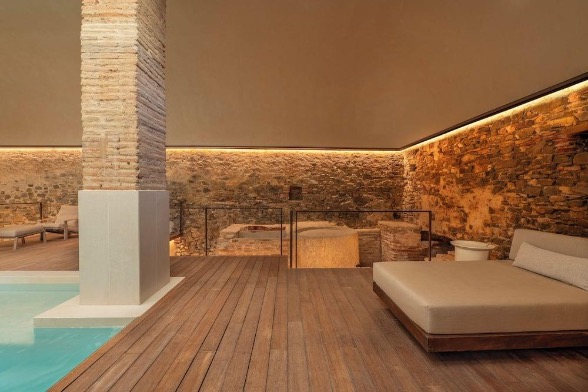
Are you looking for a natural, durable flooring option with a look that’s different from traditional wood? If so, you’ve likely considered bamboo flooring as an option for indoor or outdoor use. Its warm appearance, durability, and plant-based origin have made this material increasingly popular in residential projects, patios, hotels, and commercial spaces.
However, before choosing a flooring option, it’s important to look beyond first impressions. Is bamboo really wood? What advantages does it offer? Does it have limitations compared to natural wood flooring? And, above all, what alternatives are available when seeking a durable, elegant, and technically sound finish?
At Yvyra, as specialists in the manufacture of wood flooring, we know that every project requires a specific solution. That’s why, in this article, we analyze bamboo flooring, its strengths, its potential drawbacks, and some Exterpark collections that may be suitable for outdoor projects where design, durability, and meticulous installation are key.
What Is Bamboo Flooring?
Although people often refer to “bamboo wood,” technically bamboo is not a type of wood but a fast-growing grass. To turn it into flooring, its fibers are processed, pressed, and treated until they form planks suitable for installation.
Bamboo flooring can be used indoors and, when treated with specific finishes, also in outdoor spaces. Its appearance can range from light natural tones to darker charred finishes, with an aesthetic reminiscent of certain tropical wood flooring.
For patios, pools, or outdoor areas, Exterpark offers a dedicated collection of Exterpark Bamboo, available in natural and charred finishes. This solution is designed for those seeking high-density outdoor bamboo decking with excellent durability.
Advantages of Bamboo Flooring
One of the main advantages of bamboo is its rapid growth. Unlike certain wood species, which take decades to reach maturity, bamboo can be harvested in a much shorter time. This leads many people to view it as a sustainable alternative in the world of natural flooring.
It also stands out for its hardness, especially when processed using high-density techniques. In both residential and commercial settings, it can offer good resistance to foot traffic, provided the product is well-manufactured and installed correctly.
Another advantage is its aesthetics. Bamboo flooring provides a clean, contemporary, and distinctive look. It works well in nature-inspired projects, modern homes, minimalist patios, or spaces seeking warm flooring without resorting to overly rustic finishes.
In addition, some systems allow for technical and precise installation. For outdoor use, for example, Exterpark’s solutions are designed to create seamless, comfortable surfaces with fastening systems intended to enhance the user experience.
Natural Wood Alternatives for Outdoor Use
When looking for natural flooring for terraces, patios, or pool areas, wood remains one of the most highly valued options. Its texture, elegance, and ability to blend into the landscape make it a highly prized solution in architecture and interior design.
The Exterpark Wood collection features natural wood outdoor decking made from species such as Elondo or Cumaru. This type of flooring is ideal for projects seeking the authenticity of wood, with unique grain patterns and a warm, inviting appearance.
Compared to bamboo, natural wood offers a more organic aesthetic and a proven track record in construction. Additionally, it allows for working with different species, shades, and technical properties depending on the intended use.
Technological Alternatives: Composite and High-Performance Solutions
In some projects, the goal is not only to achieve a natural finish but also to reduce maintenance and increase resistance to stains, scratches, or moisture. In these cases, high-tech collections can be a very interesting option.
The Exterpark Tech collection offers composite outdoor decking with a wood-textured finish. This line includes solutions such as Tech ONE, Tech CUBE, and Tech SUPREME, designed for spaces where a balance between design, durability, and ease of use is sought.
Also worth noting is Exterpark Tech Real, an option designed to provide a pleasant experience when walking barefoot, featuring a non-slip surface and patterns inspired by real wood. For patios, pools, or hospitality areas, this type of decking can be very practical when a stable, low-maintenance solution is desired.
Choosing Wisely: Bamboo, Wood, or Composite
Bamboo flooring can be an interesting alternative when looking for a natural, durable flooring option with a modern aesthetic. However, as with any material, it’s important to understand its advantages and limitations before making a decision.
For those who prioritize authenticity, natural wood remains a highly valuable option. For those seeking low-maintenance solutions, engineered flooring can offer very competitive options. In any case, the key is to choose a product suited to the space’s actual use, backed by technical guarantees and professional installation.
At Yvyra, our expertise in wood flooring allows us to guide each project from both a technical and aesthetic perspective, helping you select flooring that is not only beautiful but also durable, functional, and consistent with the space’s design. Contact us and we’ll advise you on everything!
FAQs About Bamboo Flooring
Is bamboo flooring really made of wood?
Not exactly. Although people often refer to “bamboo wood,” bamboo is a grass, not wood in the strict sense. To turn it into flooring, its fibers are cut, pressed, treated, and compacted to form sturdy planks. The result may visually resemble wooden planks, but its origin and technical properties are different. This doesn’t mean it’s a bad choice, but it should be selected carefully. For demanding projects, it’s important to check the density, treatment, installation system, and whether the product is suitable for indoor or outdoor use.
What are the advantages of bamboo flooring compared to other flooring options?
Bamboo flooring stands out for its rapid growth, hardness, and natural aesthetic. Compared to some synthetic flooring options, it offers a warmer appearance and a feel closer to that of natural materials. Furthermore, when bamboo is properly processed, it can withstand daily foot traffic well and adapt to contemporary projects. Outdoors, specialized bamboo solutions can be used on patios or in high-traffic areas. Even so, product quality is key. Not all bamboo flooring has the same performance characteristics or the same level of stability.
What are the main disadvantages of bamboo?
The main disadvantage of bamboo is that its performance depends heavily on the manufacturing process. A low-quality product may suffer from stability issues, scuff marks, warping, or premature discoloration. You should also monitor how it reacts to moisture, especially if installed in outdoor areas or poorly ventilated spaces. Furthermore, as with any natural material, it may require maintenance to preserve its appearance. Therefore, before choosing bamboo, it’s a good idea to compare alternatives made of natural wood, composite materials, or engineered decking specifically designed for the intended use of the flooring.
Is bamboo or natural wood better for a deck?
It depends on the project. Bamboo can be an attractive option if you’re looking for a dense, contemporary outdoor decking with a uniform aesthetic. Natural wood, on the other hand, offers more organic grain patterns, a wider variety of species, and a highly prized presence in design projects. On decks with high aesthetic value, wood provides an authenticity that’s hard to imitate. However, it also requires maintenance. The decision should be based on the level of use, exposure to the elements, the desired style, and your willingness to perform periodic maintenance to keep the flooring in good condition.
Can bamboo flooring be installed using a floating installation method?
Indoors, some bamboo flooring can be installed using a floating method if the manufacturer specifies it and the subfloor is properly prepared. However, outdoors the situation is different. Decks, patios, and pool areas are exposed to moisture, expansion, temperature changes, and the need for drainage. For this reason, floating installation is not always recommended in these cases. The safest option is to use systems specifically designed for outdoor use, with appropriate fasteners and proper spacing between planks. Improper installation can shorten the flooring’s lifespan and compromise its stability.
