
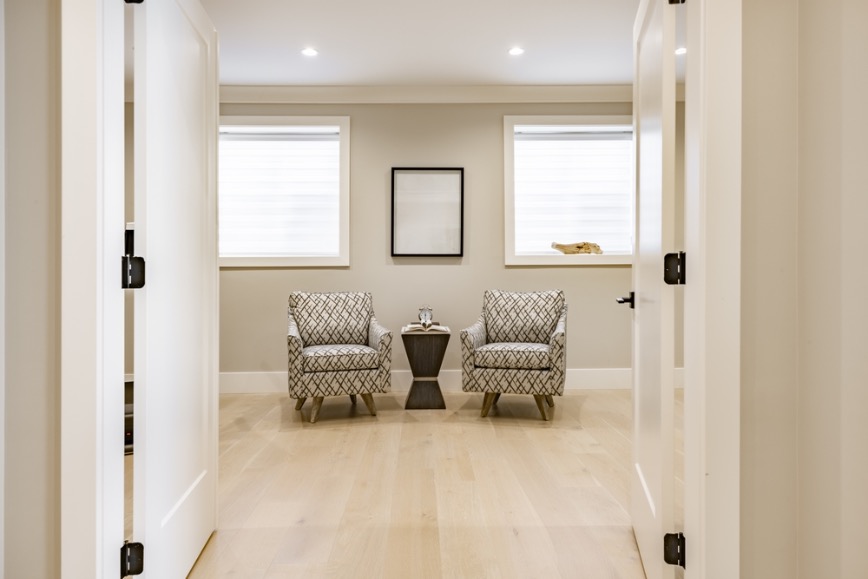
Are you looking for warm, elegant and durable flooring, but do not know which option to choose? Wooden flooring remains one of the most valued solutions in homes, hotels, offices and interior design projects thanks to its ability to transform a space without losing functionality.
Wood provides a feeling that is difficult to imitate: Naturalness, visual comfort and a pleasant step. However, before choosing wooden flooring, it is important to understand its types, finishes, installation systems and technical criteria. Not all wooden floors respond in the same way to humidity, daily use or changes in temperature.
At Yvyra, a manufacturer specializing in wooden floors, collections such as Millésime and 10AK Único show how careful manufacturing, the selection of natural wood and advanced finishes can make a difference in a project.
What are wooden floors?
Wooden floors are flooring systems made up of wooden planks or wood-derived materials installed over a prepared surface. In Spain, terms such as parquet, floating floor, wooden floor or wood flooring are also used, although each term may refer to different systems and compositions.
The main difference lies in the structure. Solid wood flooring is made from a single piece of hardwood, while engineered wood flooring combines a top layer of natural wood with lower layers that provide stability. This second option is very common in current projects because it reduces movement, improves technical performance and offers excellent value for money.
Types of wooden flooring
Choosing between different wooden flooring options depends on the use of the space, the budget, the decorative style and the environmental conditions. Will it be installed in a family home? In a commercial area? Over underfloor heating? Each case requires a specific solution.
Solid wood flooring stands out for its authenticity and long lifespan, but it requires greater humidity control and more demanding installation. Engineered wood flooring, on the other hand, offers great dimensional stability and allows for a wide variety of finishes. It is an especially recommended option when natural wood with good technical performance is required.
There are also laminate and vinyl floors with a wood-like appearance, but they do not offer the same nobility or the same ageing capacity as real wood flooring. For those who prioritize design, durability and added value, Yvyra’s wood collections are a more solid alternative.
Finishes: The personality of the floor
The finish defines the aesthetics, feel and part of the resistance of the flooring. The same oak can convey very different sensations depending on whether it is treated with oil, matte varnish, invisible lacquer, brushing, smoking or ageing.
The Millésime collection is designed for projects with a strong aesthetic component. Variants such as Millésime Céfiro incorporate rustic oak, smoked finish, white UV oil and an aged effect, an ideal combination for interiors with character. Other options such as Millésime Priorat, Millésime Barolo or Millésime Jerez allow you to play with tones, textures and more intense visual effects.
For contemporary settings, the 10AK Único collection offers versatile proposals in European oak. Models such as Auge and Cierzo use herringbone patterns to bring rhythm and elegance. In contrast, Bora and Aire fit very well in projects that seek a clean, natural and bright aesthetic.
Key factors before installation
A good installation begins long before the first plank is laid. The subfloor must be clean, dry, level and stable. If there is residual humidity, unevenness or remains of previous materials, the result may be affected over time.
It is also important to acclimatize the wood to the space where it will be installed. This step helps the material adapt to the temperature and humidity of the environment. Natural wood is a living material, so it responds to the conditions around it.
As for the system, wooden floors can be installed glued down or floating. Glue-down installation improves the feeling of solidity and thermal transmission. Floating installation is usually faster and cleaner, provided that a suitable underlay is used. In any case, the choice should be based on the type of product, the use of the space and the manufacturer’s recommendations.
Yvyra’s project at Amazónico restaurant
A good example of how wooden floors can elevate the identity of a space is Yvyra’s project at Amazónico restaurant in Dubai. In this case, the chosen flooring was Millésime Margaux parquet, belonging to the Millésime collection, a line designed for projects where wood plays a leading role.
Amazónico restaurant combines gastronomy, design and an atmosphere inspired by nature. For this reason, the choice of flooring could not be limited to aesthetics alone. The parquet had to accompany the sensory experience of the space, bring warmth and reinforce the connection with the Amazon rainforest that defines the restaurant’s concept.
The natural wood of the Margaux model creates an elegant, enveloping base that is coherent with high-end interior design. It also demonstrates that wooden floors are not only suitable for homes, but also for contract projects, restaurants and commercial spaces where a balance between design, resistance and value for money is sought.
This project clearly reflects Yvyra’s ability to manufacture flooring that responds to both technical and decorative requirements. In an intensive-use environment such as a restaurant, the floor must be stable, comfortable, durable and easy to integrate into the overall project. The choice of Millésime Margaux confirms how a well-selected wooden floor can become an essential part of the user experience.
How to choose the right floor
Before making a decision, it is worth asking three questions: What will the room be used for? What style do you want to convey? What level of maintenance are you willing to assume?
For sophisticated spaces, boutique hotels, premium homes or projects where the floor is the protagonist, Millésime offers expressive finishes and an artisanal aesthetic. For versatile, modern and warm interiors, 10AK Único allows you to choose between tones, formats and textures capable of adapting to a wide range of styles.
Wooden floors are not only a decorative decision. They also influence comfort, acoustics, the perception of spaciousness and the value of the property. That is why choosing a specialized manufacturer and the right collection is key to achieving a long-lasting result. Visit Yvyra and choose the most suitable option for your project!
FAQs about wooden flooring
What is the difference between wooden flooring and parquet?
Although they are often used as synonyms, wooden flooring and parquet do not always mean the same thing. Parquet is usually associated with natural wood flooring laid in pieces or planks, while wooden flooring commonly refers to larger-format planks that can be installed floating, glued down or nailed. In practice, both terms are often mixed in Spain. What really matters is looking at the product composition, the thickness of the noble wood layer, the type of wood, the surface finish and the recommended installation system for each room.
What types of wooden flooring are there?
The main types are solid wood flooring, engineered wood flooring and laminate or synthetic solutions with a wood-like appearance. Solid wood flooring is made from a single piece of natural wood and offers great authenticity. Engineered wood flooring combines a top noble layer with more stable lower layers, making it highly recommended for current projects. Laminates imitate wood, but they do not have the same nobility or capacity for renewal. For high-quality interiors, engineered wooden floors usually offer an excellent combination of aesthetics, stability and durability.
Are wooden floors water resistant?
It depends on the type of product and finish. Natural wood is not waterproof, but it can have treatments that increase its resistance to splashes, stains and ambient humidity. For areas such as kitchens, entrances or spaces with intensive use, it is advisable to choose protective finishes and follow the manufacturer’s recommendations. It is also essential to clean up water quickly and avoid permanent humidity. If strictly water-resistant flooring is needed, specific solutions should be considered. With wood, the key lies in combining quality, professional installation and proper maintenance.
What is the best finish for a wooden floor?
There is no single best finish, but rather one that is most suitable for each project. Matte or invisible varnishes are interesting when a natural aesthetic with good surface protection is desired. Oils enhance the texture of the wood and offer a very authentic feel, although they may require more maintenance. Brushed finishes add relief and better conceal small marks from use. Aged or smoked finishes add personality and visual depth. The choice should consider foot traffic, decorative style, lighting and the desired level of maintenance.
What should be checked before installing wooden flooring?
Before installing wooden flooring, it is necessary to check that the subfloor is dry, level, clean and firm. It is also advisable to measure ambient humidity and subfloor humidity, especially in new builds or recent renovations. The wood should acclimatize to the space before installation to reduce subsequent movement. Another key point is choosing correctly between floating or glue-down installation, depending on the product and the project conditions. In addition, perimeter expansion gaps, manufacturer instructions and construction timelines must be respected. Poor installation can affect even a very high-quality floor.
