
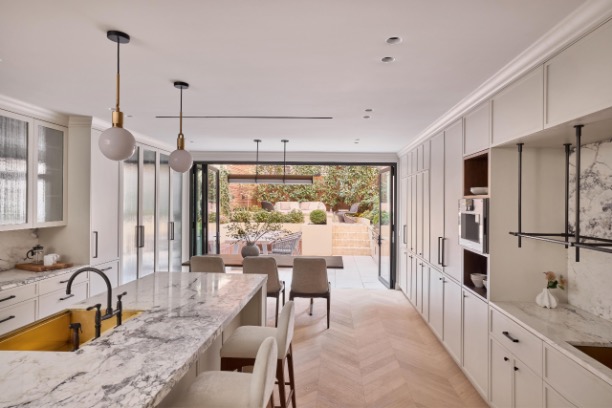
Are you thinking about renovating the flooring in your home, studio, hotel, or commercial space and looking for a warm, elegant, and durable solution? Choosing hardwood flooring isn’t just about picking a pretty color. It also involves considering the type of wood, the installation method, the plank size, the finish, and the actual use of each room.
Natural wood has a quality that’s hard to imitate: it adds texture, comfort, and a homey feel that transforms the atmosphere. That’s why it remains one of the most highly valued options in interior design, for both residential and commercial projects. At Yvyra, a manufacturer specializing in wood flooring, the collections combine design, technical expertise, and meticulous craftsmanship to create flooring with its own unique identity.
What Is Wood Plank Flooring?
A hardwood floor is a flooring system composed ofwood planks installed over a prepared subfloor. It can be made of solid wood or a multilayer structure—an option widely used today due to its stability and excellent performance in the face of changes in temperature and humidity.
Unlike other flooring materials that imitate wood, natural hardwoodretains the grain, texture, and unique nuances of each individual plank. This makes every installation unique. No two planks are exactly alike, and that natural irregularity is precisely part of its aesthetic value.
Types of Wood Flooring
When making a choice, it’s helpful to know the main options available. Solid wood flooring consists of a single piece of hardwood. It is strong, durable, and can be refinished multiple times, although it requires very precise installation and controlled environmental conditions.
Engineered wood flooring, on the other hand, combines a top layer of hardwood with underlying layers that provide stability. It is a highly recommended alternative for modern projects, as it preserves the beauty of natural wood and enhances its technical performance.
We can also refer to it as “floating wood flooring” when the planks are not glued directly to the subfloor but are installed on a base using a interlocking system. In contrast, glued-down installation offers a firmer underfoot feel and a more solid sensation.
Yvyra Collections to Choose From
In projects where design plays a leading role, Yvyra’s Millésime collection offers wood flooring with a handcrafted, refined, and timeless aesthetic. Within this line, variants such as Napa, Priorat, or Margaux allow you to adapt the flooring’s tone and texture to the style of the space.
For those seeking wood with a more organic and expressive character, the 1OAK Único collection offers options with great personality. Styles such as Terral, Galerna, or Mistral allow you to create warm, elegant, and very natural atmospheres.
Key Considerations for Making the Right Choice
Before making a decision, it’s important to ask yourself several questions: What will the room be used for? Is there plenty of natural light? Are you looking for a light, serene atmosphere or an interior with more contrast? Will the flooring be installed in a family home, a store, or a hotel?
Light tones help visually expand the space and work very well with contemporary, Mediterranean, or minimalist styles. Darker, smoked, or distressed finishes add depth and sophistication.
In addition, it’s important to consider surface durability, the protective finish, maintenance requirements, and compatibility with radiant heating if the project calls for it. A good choice depends not only on aesthetics but also on the balance between beauty, functionality, and durability.
A decision that defines the project
Choosing a hardwood floor means deciding on the visual and sensory foundation of a space. Wood brings warmth, elegance, and authenticity, but it also requires an informed choice. The type of wood flooring, format, finish, installation, and maintenance must all be considered together to achieve a long-lasting result.
Collections like Millésime and 1OAK Único by Yvyra demonstrate that wood flooring can adapt to very different styles without losing its natural look or character.
When looking for flooring that will stand the test of time, wood remains a safe, elegant choice full of personality. Visit us!
FAQs About Hardwood Flooring
What are the advantages of hardwood flooring compared to other types of flooring?
Wood flooring offers a well-balanced combination of aesthetics, comfort, and durability. Compared to synthetic materials, natural wood provides an authentic texture, a warmer feel underfoot, and a richer visual presence. Additionally, each plank has its own unique grain and hues, so the result is never completely uniform or artificial. Another key advantage is its ability to adapt to different decorative styles, from classic interiors to contemporary projects. If installed and maintained properly, it can retain its beauty for many years and enhance the perceived quality of the space.
Is it better to choose solid wood flooring or engineered wood flooring?
The choice depends on the project, the budget, and the conditions of the space. Solid wood flooring consists of a single piece of wood and stands out for its elegance, durability, and restorability. However, it can be more sensitive to environmental changes. Engineered wood flooring, on the other hand, features a top layer of hardwood over a more stable core, which reduces movement and improves its technical performance. For modern homes, hotels, offices, or renovations, engineered wood is often a very attractive option because it maintains the natural look of wood and offers greater dimensional stability.
Can wood flooring be installed over radiant heating?
Yes, but not all products or installation systems are suitable. For radiant heating, it’s important to choose compatible hardwood flooring with good stability and an appropriate thickness to facilitate heat transfer. Glued-down installation is usually recommended because it improves contact between the flooring and the subfloor. It’s also essential to monitor the system’s temperature and avoid sudden changes. Before making a decision, you should always consult the manufacturer’s technical specifications and work with specialized installers to ensure a safe, efficient, and long-lasting result.
What maintenance does natural wood flooring require?
Daily maintenance is simple but requires some care. Ideally, remove dust with a vacuum cleaner or soft mop and clean with specific or neutral products, avoiding excess water. It’s also advisable to place protectors on furniture legs, use doormats at entrances, and avoid dragging heavy objects across the floor. Humidity levels should be kept within reasonable ranges to prevent the wood from warping. Over time, some finishes can be professionally refinished to restore protection and appearance. When well cared for, hardwood flooring retains its warmth for many years.
What finish should you choose for a family home?
In a family home, it’s best to choose a finish that’s durable, easy to maintain, and capable of hiding signs of everyday wear. Brushed surfaces, medium tones, and natural finishes tend to work very well because they conceal small marks better than extremely smooth or very dark floors. It’s also important to consider whether there are children, pets, or high-traffic areas. In those cases, wood with good surface protection and a slightly textured finish can be an excellent choice. Beyond color, the key is to strike a balance between aesthetics, durability, and ease of maintenance.
