
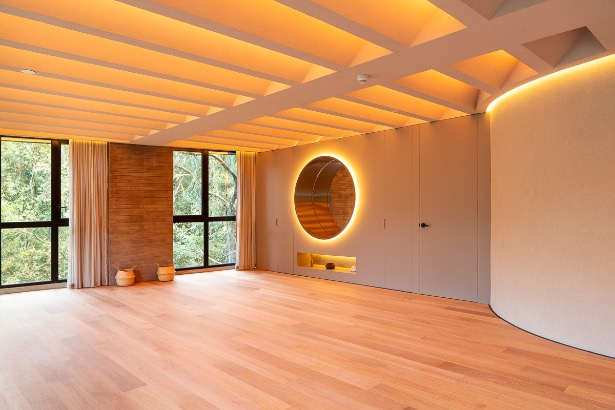
Is natural wood compatible with radiant floor heating? Can wood flooring provide thermal comfort without sacrificing stability, beauty, or durability? These are common questions in renovation and interior design projects, especially when seeking to combine energy efficiency, visual warmth, and a comfortable feel underfoot.
Wood flooring for underfloor heating can work very well as long as you choose the right product, ensure proper installation, and follow basic technical guidelines.
The key isn’t just in choosing attractive wood, but in selecting a stable, well-manufactured solution that’s designed to withstand the temperature fluctuations inherent in this heating system. In this regard, at Yvyra, we’ll advise you on the best option.
Why Wood Works Well with Radiant Floor Heating
For years, it was believed that wood and radiant floor heating were not a good combination. However, advancements in engineered wood flooring have changed this perception. Today, a well-designed wood floor can efficiently conduct heat while maintaining excellent dimensional stability.
Underfloor heating operates at low temperatures, distributing heat from beneath the floor. This creates a comfortable and even indoor environment, without visible radiators and with a very pleasant thermal sensation. Wood also adds a touch of visual warmth that other materials cannot replicate as naturally.
That said, not all types of wood or all formats are equally recommended. To make the right choice, it’s important to consider the flooring’s structure, thickness, installation method, ambient humidity, and surface finish.
Which Type of Wood Flooring Is Most Recommended
In projects with underfloor heating, engineered wood flooring is often one of the most balanced options. This type of flooring combines a top layer of hardwood with an engineered core that improves stability against temperature changes and humidity fluctuations.
Compared to solid wood, which can expand and contract more with environmental changes, the multilayer format offers a more controlled response. That’s why it’s frequently used in homes, hotels, offices, and commercial spaces where a natural, elegant, and technically reliable solution is sought.
It’s also important to choose stable wood species. Oak is one of the most widely used due to its durability, beauty, and excellent performance in interior flooring. At Yvyra, collections such as Millésime feature oak with highly decorative finishes, while 1OAK Único offers various customizable options in colors, sizes, and textures.
Thickness, Format, and Installation: Three Decisive Factors
Does the thickness of the flooring affect thermal performance? Yes. The greater the total thickness of the flooring, the more resistance it can offer to heat transfer. Therefore, in underfloor heating installations, it’s advisable to choose solutions that strike the right balance between stability, the top layer, and thermal transmission.
The format also matters. Very wide planks can be very attractive, but they require high-quality manufacturing and precise installation to prevent unwanted movement. In demanding projects, it’srecommended to seek specialized advice to determine which dimensions work best based on the underfloor heating system, the room, and the intended use.
Glued installation is often a highly recommended option because it promotes direct contact between the flooring and the subfloor, improving heat transfer and reducing air pockets. Additionally, it provides a more solid and stable underfoot feel.
Yvyra Collections for Interiors with Radiant Floor Heating
Wood flooring for radiant floor heating should be chosen with both technical considerations and aesthetic results in mind. In this regard, Yvyra’s collections allow you to adapt the flooring to the project’s style without compromising on material quality.
The Millésime collection is an interesting option for interiors where the flooring plays a leading role. Variants such as Napa offer a luminous and elegant finish; Priorat provides a more pronounced texture; and Margaux reinforces a sophisticated aesthetic with a strong visual presence.
Meanwhile, 1OAK Único allows you to create more natural, contemporary, or personalized spaces. Models such as Terral stand out for their decorative pattern, while Galerna, Cierzo, and Mistral offer versatile options for creating warm and balanced spaces.
Advantages of Choosing Natural Wood with Radiant Floor Heating
When installed correctly, the combination of natural wood and radiant floor heating offers numerous advantages. It provides thermal comfort, eliminates the need for radiators, enhances the space’s aesthetics, and creates a very pleasant, enveloping sensation. Additionally, wood has a unique ability to make the heat feel more welcoming.
It also allows for visual continuity between rooms, a feature highly valued in contemporary homes, boutique hotels, and high-end interior design projects. With the right collection, the flooring can blend in discreetly or become the defining element that shapes the entire character of the space.
In projects seeking a durable, warm, and cohesive result, collections like Millésime and 1OAK Único strike the perfect balance between technology, craftsmanship, and design. Because good flooring shouldn’t just stand the test of time—it should also make every space feel better from day one. Visit Yvyra!
FAQs on Wood Flooring for Radiant Floor Heating
Are all wood floors suitable for radiant floor heating?
Not all wood floors are recommended for this type of installation. The most suitable are typically high-quality engineered wood floors, manufactured with a stable core and a top layer of natural wood. Solid wood may be more prone to movement if temperature and humidity aren’t properly controlled. Thickness, plank width, the type of adhesive, and the preparation of the subfloor also play a role. Therefore, before making a choice, it’s best to confirm the product’s compatibility with underfloor heating and ensure professional installation that follows the necessary technical protocols.
Which type of wood works best with radiant floor heating?
Oak is one of the most commonly used woods for interior flooring compatible with radiant floor heating because it combines stability, durability, and a highly versatile aesthetic. Its technical properties allow for a variety of finishes, tones, and textures without losing its natural look. Additionally, it adapts well to a wide range of decorative styles, from minimalist homes to hotels or commercial spaces with more character. In collections such as Millésime or 1OAK Único, oak is transformed through planing, smoking, oiling, or matte varnishes to offer decorative solutions with a good balance between design and functionality.
Is it better to install the flooring using the glued-down method or the floating method?
In installations with radiant floor heating, the glued-down system typically offers better performance because it allows for more direct contact between the flooring and the subfloor. This promotes heat transfer and reduces the presence of air pockets that could diminish thermal performance. Additionally, it provides a firmer and more stable underfoot feel. A floating installation may be suitable in some cases, provided the product and subfloor are compatible, but the thermal resistance of the entire system must be carefully evaluated. For demanding projects, it is wisest to consult with a specialized installer to assess the best solution.
What temperature should underfloor heating be set to with wood flooring?
The temperature must always be maintained within the limits recommended by the flooring and underfloor heating system manufacturers. As a general rule, it is important to avoid excessive surface temperatures and sudden changes. The system’s temperature should be raised and lowered gradually so that the wood can adapt without stress. It is also advisable not to cover large areas with very thick rugs or furniture that blocks ventilation, as these can trap heat. Proper temperature control improves comfort, protects the wood, and helps the system operate efficiently for longer.
Does wood lose thermal efficiency compared to other materials?
Wood has higher thermal resistance than some ceramic or stone materials, but that does not mean it is incompatible with underfloor heating. If you choose the right flooring—with controlled thickness and proper installation—the performance can be very satisfactory. Furthermore, wood offers benefits that other materials cannot match: visual warmth, comfort underfoot, a natural feel, and decorative value. The key lies in balancing efficiency and aesthetics. In many residential and commercial projects, this balance makes natural wood a very attractive option.
How do you care for a wood floor with radiant heating?
Daily care is simple, but it requires following certain guidelines. It’s recommended to clean with a vacuum or soft mop, avoid excess water, and use neutral products suitable for wood. It’s also a good idea to monitor indoor humidity, especially in winter, when heating can dry out the air. If small seasonal gaps appear, they are often due to normal fluctuations in humidity and can be minimized by maintaining a stable indoor environment. Additionally, it’s important to ensure that the radiant heating system operates gradually, without extreme temperature changes, to protect the flooring over the long term.
